Ford F-150 Engine Replacement Cost: What You'll Really Pay
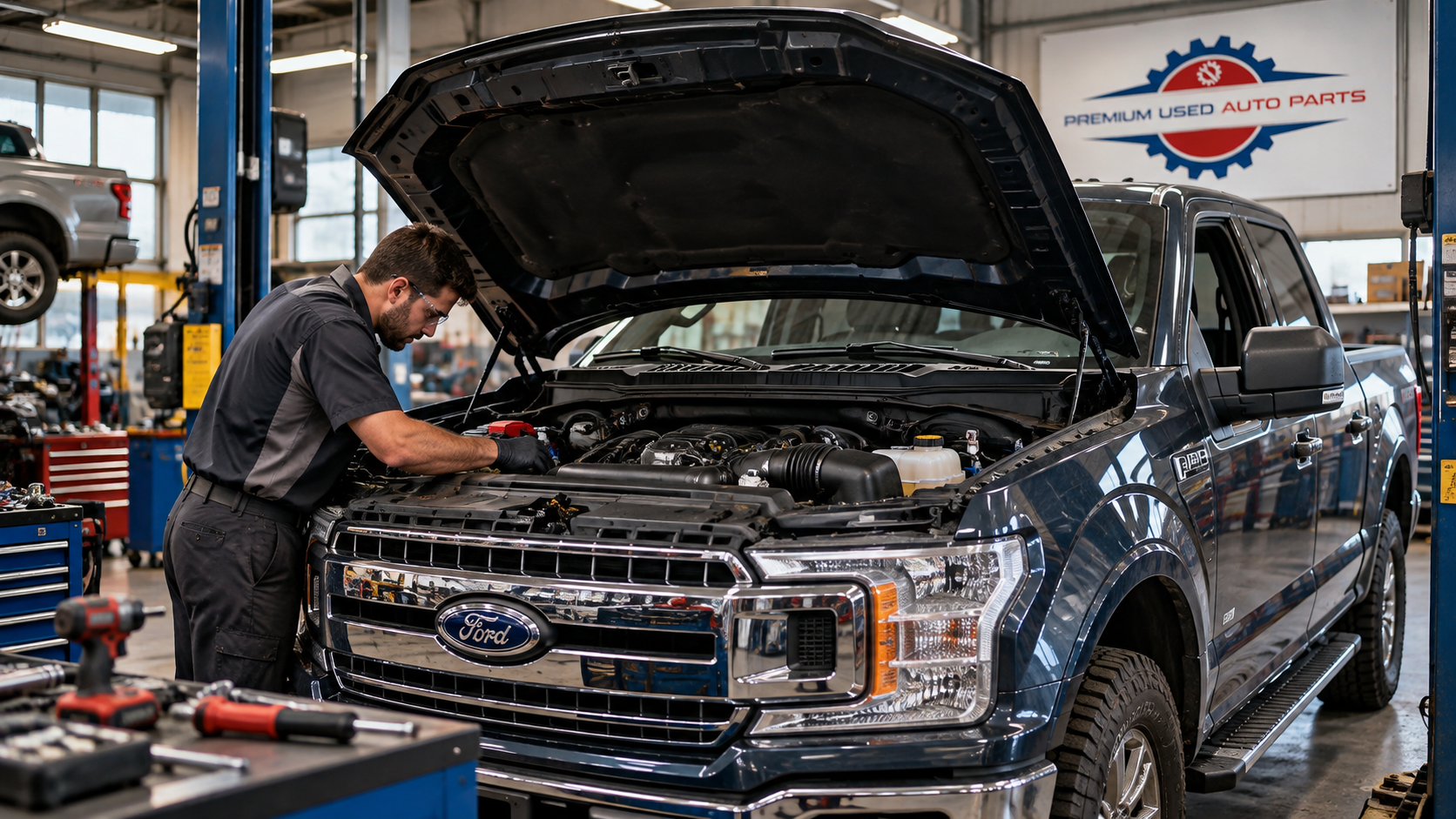
Table of Contents
7 ChaptersHow Much Does a Ford F-150 Engine Replacement Cost?
Got an engine problem with your F-150? Wondering how much it will cost to repair?
Repair costs for the F-150 will vary based on a few things, like whether you use a used engine, a remanufactured engine, or a new crate engine. Expect costs between $4,500 and $9,500 using a used engine, $8,000 to $14,000 with a remanufactured engine, or $10,000 to $17,000 for a new engine. If you're considering a used OEM replacement, explore our used Ford parts to compare available components and fitment options.
In this blog, we will break down the costs associated with replacing each engine for the F-150, the 2.7L EcoBoost recall, average costs based on the model year, the differences between EcoBoost and Coyote engines, labor costs, and a used engine purchase shopping guide.
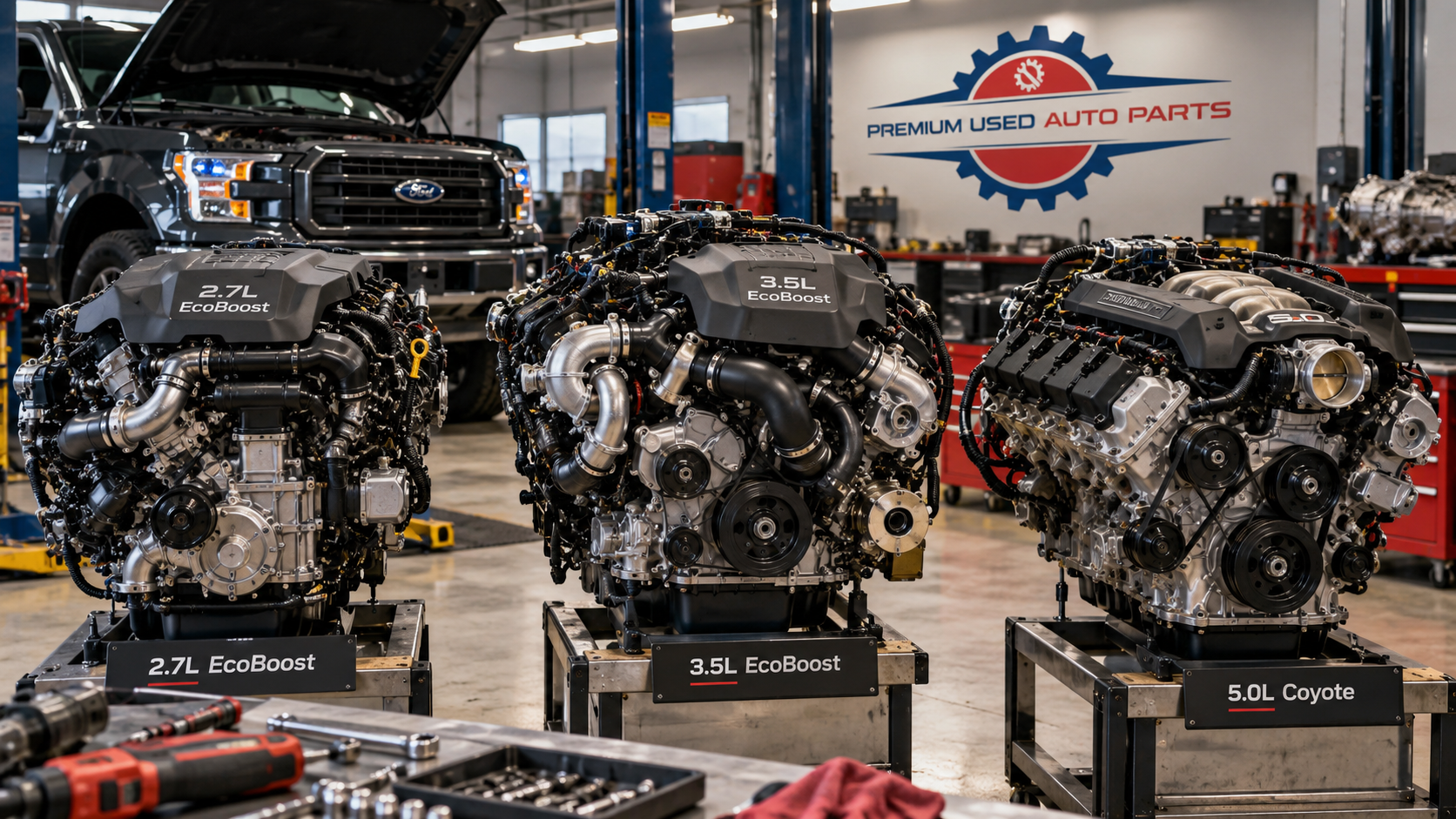
Repair costs for the 2.7L EcoBoost will typically be between $5,500 and $10,000. The 3.5L EcoBoost will be around $6,500 to $12,000, and the 5.0L Coyote will be between $6,000 and $11,000.
Keep in mind these numbers are for the engine only. Additional costs for parts, fluids, and gaskets will run between $300 and $900. If the water pump and serpentine belt are also being replaced, expect to pay more.
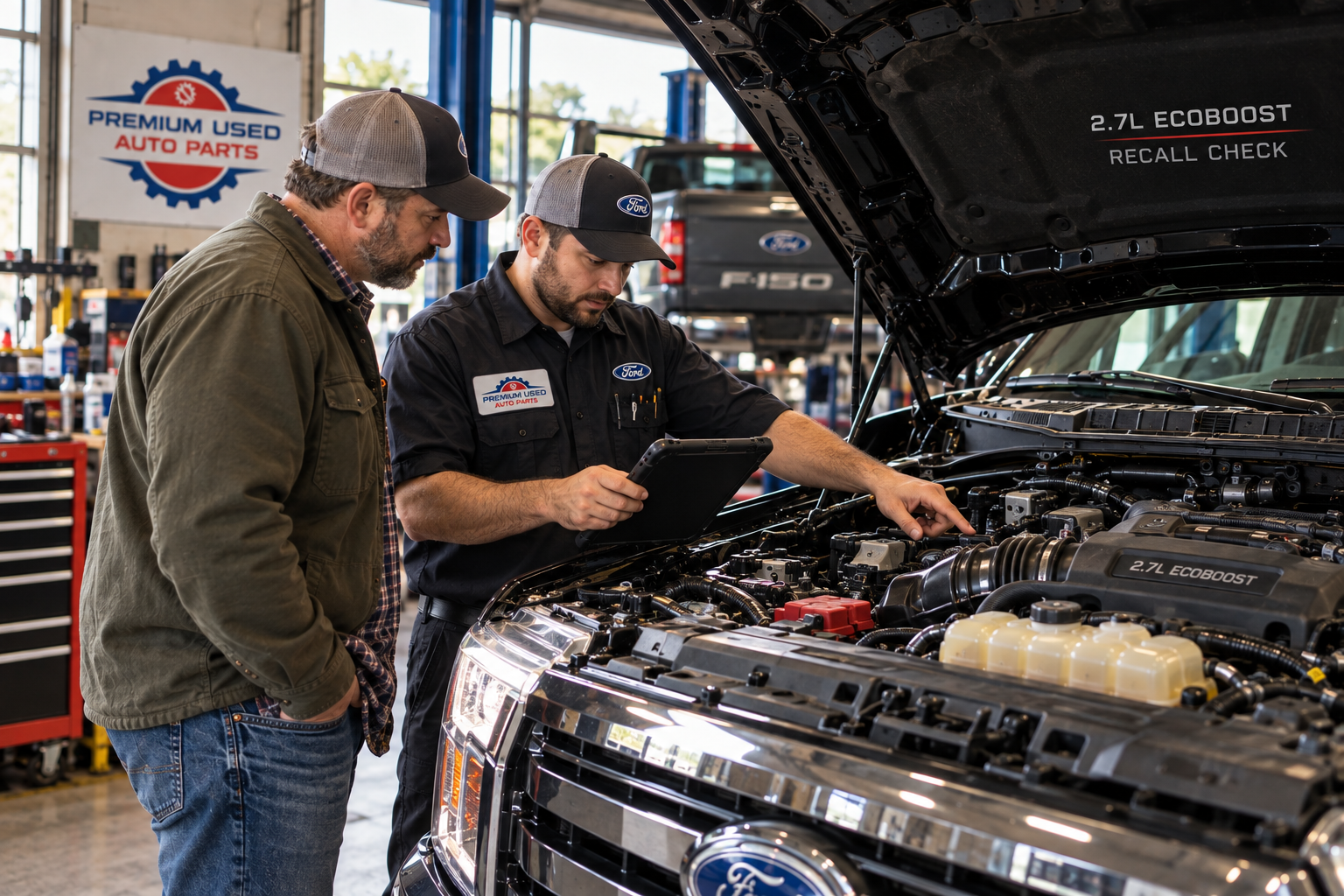
Check the 2.7L EcoBoost Recall Before You Pay Anything
If your 2.7L EcoBoost F-150 is covered, you won't have to pay for a repair.
Which F-150s Are Affected
Ford filed NHTSA recall 24V-635 (Ford's internal number is 24S55) in August 2024. It covers 90,736 vehicles with 2.7L or 3.0L Nano EcoBoost engines, including:
- 2021-2022 Ford F-150
- 2021-2022 Ford Bronco
- 2021-2022 Ford Edge
- 2021-2022 Ford Explorer
- 2021-2022 Lincoln Nautilus
- 2021-2022 Lincoln Aviator
Engines manufactured by Ford's Lima engine plant between May and October of 2021 are suspect engines. Only the 2.7L EcoBoost engine in the F-150 is covered by this recall. Other engines in the F-150 are not covered by this recall.
What the Recall Fixes: Brittle Intake Valves
Ford explains that a supplier was grinding the intake valves too aggressively and breaking them. The supplier didn't control the grinding process, which left the valves hard and brittle and liable to break while in use. A broken valve will fall into the cylinder and cause engine damage.
It's also a safety issue: a broken valve can unexpectedly restrict airflow to the engine, which creates a serious hazard, particularly at highway speeds.
How to Check Your VIN and What Ford Does Next
Before buying a replacement engine, check whether your F-150 has an open safety recall. You can enter your 17-character VIN into the NHTSA recall lookup tool to see if your vehicle has an unrepaired recall.
For the 2021-2022 F-150 2.7L EcoBoost recall discussed above, affected vehicles may require an engine-cycle test. If the test confirms the recall-related engine condition, the engine is replaced as part of the recall remedy at no cost.
Before paying for a replacement engine, verify your VIN and complete any applicable recall inspection first. If your F-150 is not covered, you can then compare replacement options based on engine type, mileage, warranty, compatibility, and total installation cost.
Which Engine Is In Your F-150?
Calculating the price of a swap is difficult when you don't know the specifics of the engine. F-150s have had a lot of engines over the years.
2.7L and 3.5L EcoBoost
These engines are twin-turbocharged V6s. Ford introduced the 3.5L in 2011 and the 2.7L in 2015. The 3.5L is found in most pickups that tow or haul fifth-wheels and travel trailers. Both engines can fail in a variety of ways. The 3.5L has twin turbos, variable cam timing and a complex control system compared to a naturally aspirated engine.
5.0L Coyote V8
The Coyote was introduced in 2011. Since it is naturally aspirated, it is cheaper to modify compared to a turbo or supercharged engine. Just keep in mind that later models (2018 and newer) are known to burn a decent amount of oil. If your engine is burning oil, have a compression and leak-down test done to see if the engine is still usable or should be replaced.
3.3L / 3.5L / 3.7L V6
These naturally aspirated V6s are the base engines and the cheapest to replace:
- 3.7L V6: 2011-2014
- 3.5L Ti-VCT V6: 2015-2017
- 3.3L V6: 2018-2023
From 2024 on, the 2.7L EcoBoost became the F-150's base engine.
5.4L Triton (2004-2010)
The 5.4L V8 powered the F-150 from 2004-2010. It was replaced by the 5.0L Coyote for the 2011 model year. Breaking cam phasers and spark plugs that seize in the cylinder head are the 5.4L's main claims to fame. Because of these issues, and others, a good plan at higher miles is to replace the engine rather than sink money into repairs.
How to Read the Engine Code in the 8th VIN Digit
The 8th character of the VIN is the engine code. For example, on 2015 and 2016 trucks, P indicates a 2.7L EcoBoost engine, T indicates a 3.5L EcoBoost engine, and F indicates a 5.0L engine.
Ford changes the engine code assignments from model year to model year. Consequently, a code letter for one engine in a particular model year may indicate an entirely different engine in another. To avoid an incorrect engine assumption, use a VIN decoder or the door label on the driver's side of the vehicle for each model year's engine assignment.
The most frequent and costly mistake is selecting an incorrect engine.
F-150 Engine Replacement Cost By Model Year
This table shows the engines offered in each generation and a realistic installed total with a used engine. Treat these as estimates. Trucks vary by trim, drivetrain and location.
| Model years | Engines offered | Used engine, installed |
|---|---|---|
| 2004-2008 | 4.2L V6, 4.6L V8, 5.4L V8 | $4,500-$6,500 |
| 2009-2010 | 4.6L V8, 5.4L V8 | $4,500-$6,500 |
| 2011-2014 | 3.7L V6, 5.0L V8, 3.5L EcoBoost, 6.2L V8 | $4,500-$8,500 |
| 2015-2017 | 3.5L V6, 2.7L EcoBoost, 5.0L V8, 3.5L EcoBoost | $5,000-$9,000 |
| 2018-2020 | 3.3L V6, 2.7L EcoBoost, 5.0L V8, 3.5L EcoBoost, 3.0L diesel | $5,500-$9,500 |
| 2021-2023 | 3.3L V6, 2.7L EcoBoost, 5.0L V8, 3.5L EcoBoost, 3.5L PowerBoost hybrid | $6,000-$9,500+ |
| 2024+ | 2.7L EcoBoost, 5.0L V8, 3.5L EcoBoost, 3.5L PowerBoost hybrid | Check warranty first |
Always confirm your engine with the door label or a VIN decoder before ordering.
Two comments on more recent trucks:
- Consider your powertrain warranty. Ford provides a powertrain warranty for 5 years or 60,000 miles, and some trucks from 2022 with under 60,000 miles may still be covered. To see if your truck is covered and for how long, contact a Ford dealer. They can check your warranty status with your VIN.
- PowerBoost hybrid and diesel trucks may have higher up-front costs and increased repair costs, due to a limited number of dealer service facilities and parts availability. These comments are general in nature. Always contact a truck dealer or retailer for complete information and any warranty-related questions.
EcoBoost vs. Coyote: Which Is Cheaper to Replace?
The Coyote usually wins by $1,000-$2,500 all in.
Why is there a price difference? Three things:
- Turbos: You get two with each engine. Lots of donor engines have none. Your old ones will probably need to be replaced as well if they're not functioning properly.
- Timing and cam phasers: Both EcoBoost engines have timing and cam phaser setups that make things more complicated and expensive.
- Plumbing: You have to deal with the intake, intercooler, and boost piping.
EcoBoost engines can help your truck tow better and may help its resale value, but they are more expensive to replace. Different engine types have different wiring, mounts, and PCMs, so they cannot be used as direct replacements for one another.
Replace, Rebuild or Swap: Which Is Cheaper?
There are three main paths:
- Replace with a used engine: This is the quickest and most budget-friendly option. For many F-150 owners, a used engine is worth comparing with rebuilding or buying new. There is some uncertainty about the condition of any used engine, so the donor mileage and warranty matter a lot.
- Rebuild: If your engine block is in good shape, a rebuild is an option. Get the full cost of the machine work and parts quoted up front, as rebuild costs can climb quickly.
- Remanufactured or new crate engine: This is the most expensive route, but a remanufactured or new engine comes with the most peace of mind.
Sometimes you don't need a new engine at all:
- Rattle on start-up on a 3.5L or 2.7L EcoBoost? On 2017 to 2020 trucks, the start-up rattle is most likely the cam phasers. The cam phaser assembly and timing set will cost in the range of $2,500-$4,500. A complete engine swap will cost a lot more if other issues are present.
- Coyote burning oil? A compression test and a leak-down test will determine the engine's health. A worn-out engine will cost the same or more to fix than a good used engine, so the test results tell you which way to go.
How Much of the Bill Is Labor, and How Long Is the Truck Off the Road?
Labor is where quotes vary the most.
| Labor factor | What to expect |
|---|---|
| Book time | 12-18 hours for V6/V8; 16-24 hours for EcoBoost |
| Independent shop rate | $110-$180 per hour |
| Dealer rate | $150-$250+ per hour (higher in big cities) |
| Total labor | About $1,300-$5,500 |
| Downtime | 4-10 working days |
A few things to know:
- How it's done: Most shops pull engines out through the front of the truck. Some, mostly dealerships, do EcoBoost trucks by lifting the cab, which is supposedly faster.
- How long will this take? Most of the time your truck will sit due to the shop's scheduling and part availability.
- What will this cost? Many customers are surprised by unexpected costs during service. Ask about fluids and a coolant flush. Also ask if gaskets and the water pump are included in the price.
Used, Remanufactured or New: Three Routes Priced Side by Side
Used engines, especially for trucks over 10 years old, are great value considering how much truck you get for your money. Just make sure you buy from a seller you can trust, as there are a lot of unscrupulous dealers in the used engine game. A good seller will give you the mileage and back up the engine with a warranty.
A remanufactured engine has been taken apart and rebuilt to like-new condition. If you see yourself keeping your F-150 past 5 years, it's a great long-term investment.
Crate engines are really only justifiable on newer, higher-value trucks, as the price difference is significant.
Is It Worth Replacing the Engine, or Selling the Truck?
Try this quick test:
- Get the full repair cost, including the engine, labor and extra parts.
- Work out what your truck is worth with a good engine. Check recent sales of similar F-150s in your area.
- If the body and frame are solid and the repair costs less than about half the truck's value, it's usually worth fixing.
A heavily rusted body, a failing transmission or dangerously high mileage on the rest of the truck could mean that even a low-cost engine is not a good investment. However, if the truck is solid, a new engine can provide another 100K+ miles of reliable service.
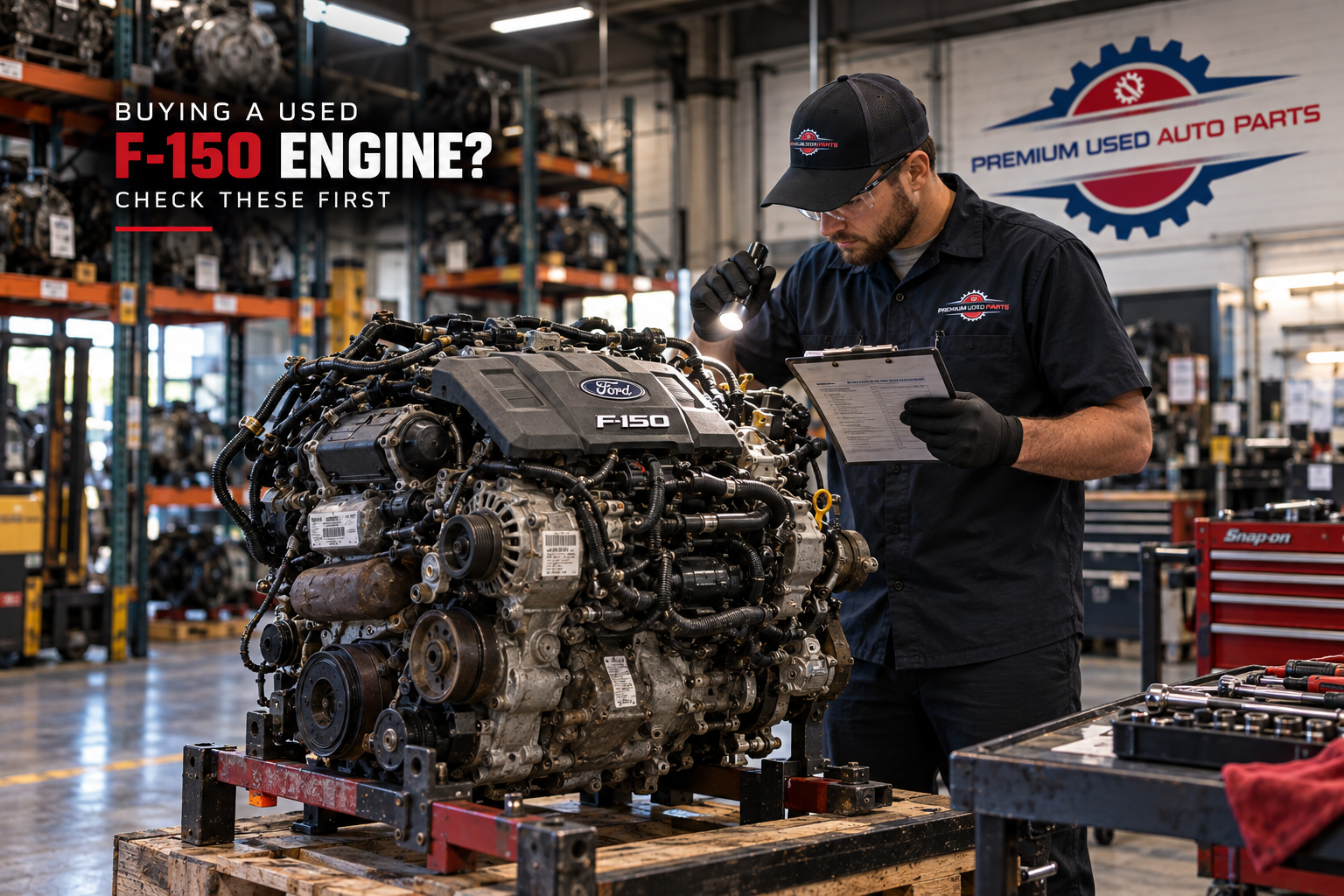
Buying a Used F-150 Engine: 7 Things to Confirm First
Not all used engines are equal. Ask these seven questions before you pay.
1. Does it come with turbos and harness, or long block only?
A "long block" is the core engine only: block, heads and internal parts. Turbos, wiring, intake and accessories may not be included. On an EcoBoost, that difference can add thousands to your bill. Get a written list of exactly what's included.
2. How many miles is too many?
Aim for under 100,000 miles. Anything over 150,000 is a real gamble. A cheaper, high-mileage engine can cost you more in the long run.
3. What warranty should come with it?
Look for at least 6-12 months of coverage. Ask whether the warranty covers only the part, or labor too if the engine has to come back out.
4. Is there a core charge?
Many sellers add a core charge: a refundable deposit you get back when you return your old engine. Ask how much it is, how long you have to send the old engine back, and what condition it needs to be in for a full refund.
5. Is the donor mileage disclosed in writing?
A verbal promise isn't enough. Ask for the donor vehicle's VIN and mileage printed on your invoice.
6. Will it need PCM programming?
Some swaps need the PCM reprogrammed or matched to the new engine, and that can get pricey on newer trucks. Find out upfront who handles it and who pays.
7. What if it doesn't fit (2WD vs. 4WD, FFV)?
Oil pans, front covers and accessories can differ between 2WD and 4WD trucks, and flex-fuel (FFV) engines can have small differences too. Give the seller your full VIN, not just the year and model, so they can match it correctly.
What Else Fails Around the Engine
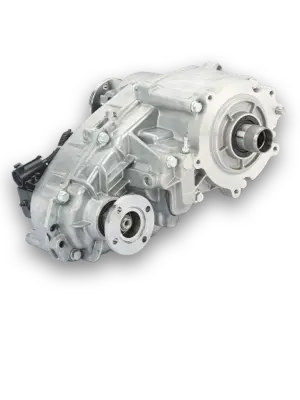
With the engine already out, it's the cheapest time to handle nearby repairs. You pay for the labor once instead of twice. If your F-150 is also experiencing 4WD or drivetrain problems, see our guide to Ford F-150 transfer case replacement cost before ordering a replacement unit.
- 10R80 transmission (2017+): Be on the lookout for shuddering and unsmooth shifts. Have the truck checked as soon as you can.
- EcoBoost turbochargers: If a turbocharger is weak, noisy or leaking oil, it is best to replace it.
- Cam phasers: A common failure point on the 3.5L EcoBoost, 2.7L EcoBoost and 5.4L Triton engines.
- Water pump: On the 3.5L and 3.7L V6 engines, the water pump is located behind the timing cover. Replacing it later will increase the labor cost, so it is best to replace it now.
Need another drivetrain component for your F-150? You can also browse our used transfer cases for OEM replacement options.
Frequently Asked Questions
Conclusion
Analyzing your engine replacement options doesn't need to be difficult. For starters, your truck may be eligible for the 2.7L recall or have Ford's powertrain warranty. If not, determine which engine is in your truck and evaluate the alternatives: used, remanufactured or new. Once that is done, request a written explanation of the truck's mileage, the warranty and what the warranty covers.
A used engine has the potential to offer a lower overall cost than a new one, and with the right seller it comes with a real warranty. Premium Used Auto Parts can provide a used engine for your F-150 with a real warranty. Call us for a quote. Estimates for the other engines in this guide are available upon request.

The Premium Used Auto Parts Editorial Team is backed by years of experience in the automotive parts industry and creates practical, research-driven content for vehicle owners, repair shops, and DIY enthusiasts across the USA. Our team combines real-world parts expertise with industry research to help drivers make informed decisions about OEM replacement parts, vehicle repairs, and maintenance. Every article is developed with a commitment to accuracy, transparency, and delivering reliable information that supports smarter vehicle ownership.